
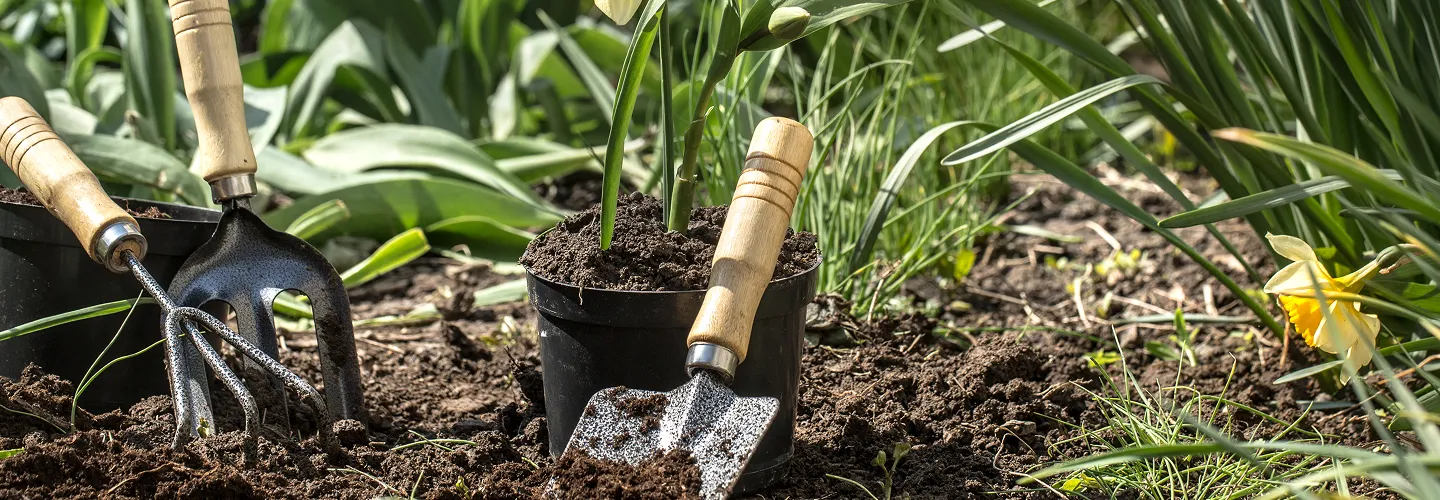
Island Walk Green Waste Disposal Services
Choose our Green Waste Disposal for reliable, environmentally responsible service that keeps your property beautiful and our island healthy. We make it easy to dispose of yard debris while supporting a greener future.
Get a Free QuoteOur Island Walk Landscaping & Yard Care Services
When to Schedule Green Waste Disposal in Island Walk, Florida – Seasonal Guide
In Island Walk, Florida, the timing of green waste disposal is closely tied to our unique subtropical climate and the rhythms of local landscaping needs. The optimal periods for scheduling green waste removal are typically late winter through early spring and again in late summer, aligning with the region’s primary growing and pruning seasons. These windows help homeowners in neighborhoods like Verona Walk and near the Island Walk Town Center manage yard debris efficiently, especially after seasonal storms or heavy pruning.
Local environmental factors play a significant role in determining the best disposal schedule. For example, the area’s high humidity and frequent summer rains can accelerate plant growth, leading to increased yard waste. Conversely, the risk of drought in late spring and the absence of frost—our last frost date is usually in early February—mean that certain plants require attention at different times than in northern climates. Soil composition, such as the sandy soils common near the Island Walk lakes, and the amount of shade from mature palms and oaks also influence how quickly organic debris accumulates. For more information on local environmental guidelines, visit the Sudbury municipal resource.
Local Factors to Consider for Green Waste Disposal in Island Walk
- Tree and shrub density in your yard
- Proximity to water features or lakes
- Seasonal precipitation and storm frequency
- Shade coverage from mature landscaping
- Soil type and drainage characteristics
- Municipal collection schedules and restrictions
Benefits of Green Waste Disposal in Island Walk

Eco-Friendly Landscaping Solutions
Efficient Green Waste Removal
Promotes Healthy Plant Growth
Reduces Landfill Waste
Enhances Curb Appeal
Supports Sustainable Practices
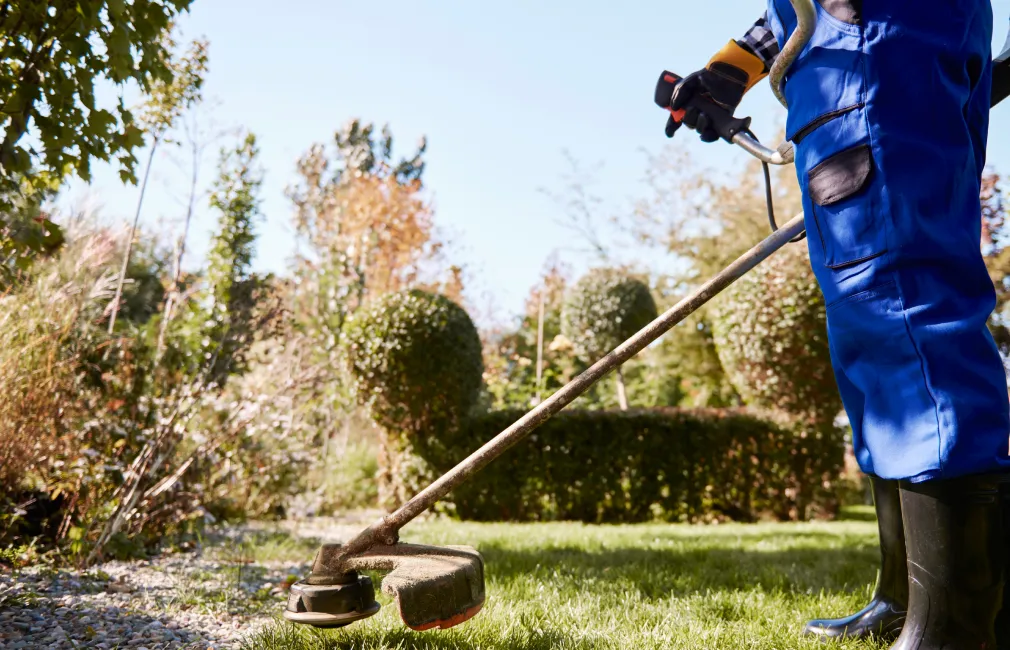
Island Walk Green Waste Disposal Types

Grass Clippings
-
Tree Branches
-
Shrub Trimmings
-
Leaves Collection
-
Palm Fronds
-
Garden Weeds
-
Mulch Disposal
Our Green Waste Disposal Process
Collection of Green Waste
Sorting and Separation
Transport to Disposal Facility
Eco-Friendly Processing
Why Choose Island Walk Landscape Services
-
Island Walk Homeowners Trust Us
-
Reliable Lawn Maintenance
-
Competitive Pricing
-
Professional Team
-
Satisfaction Guarantee
-
Personalized Service
-
Prompt Response Times
Coordinating Green Waste Disposal Through Collier County Programs in Island Walk
Island Walk is an unincorporated community within Collier County, and green waste disposal coordination falls under county-level services rather than a standalone municipal program. Residents and property managers should verify current vegetative debris collection schedules, accepted materials, and container or bundling requirements directly through Collier County's solid waste division. Green waste in this context includes grass clippings, palm fronds, tree trimmings, shrub cuttings, and other organic landscape debris generated during routine maintenance or storm cleanup.
- Vegetative debris must be separated from household trash and construction materials before placement for collection.
- Loose clippings, leaves, and small cuttings should be placed in approved containers or bundled according to county specifications—verify current size and weight limits with the county.
- Large palm fronds, branches, and woody material typically require cutting to manageable lengths; confirm maximum dimensions before staging debris at the curb.
- Property managers overseeing commercial-scale landscape maintenance should confirm whether their hauler holds the appropriate Collier County franchise or authorization for green waste transport.
Because Island Walk operates under a homeowners' association, residents should also consult the community association for any additional rules governing debris staging areas, pickup timing, and curb placement restrictions.
Island Walk Naples Community Association
Official Website: Island Walk Naples Community Association
Collier County Pollution Control
Official Website: Collier County Pollution Control
How Island Walk's Subtropical Climate and Soils Affect Green Waste Volume
Island Walk sits within the Gulf Coast Florida / South Florida subtropical zone, classified under USDA Hardiness Zone 10a. This climate produces year-round vegetative growth, with the heaviest biomass output occurring during the wet season from roughly June through October. Several local conditions directly influence the volume and handling of green waste:
- Rapid warm-season growth: St. Augustinegrass, the dominant turf in Island Walk, grows aggressively during summer months, generating substantial clipping volume that must be managed to prevent accumulation in swales and storm drains.
- High water table and sandy soils: The area's poorly drained sandy soils and elevated water table mean organic debris left on the ground surface decomposes slowly and can contribute nutrient-laden runoff into nearby retention ponds and canal systems.
- Hurricane and tropical storm debris: Wind events between June and November produce sudden surges of palm fronds, broken branches, and uprooted vegetation that require prompt removal to prevent drainage obstruction.
- Humidity-driven decomposition: While humidity accelerates microbial breakdown, piled green waste in enclosed areas can generate odor, attract pests, and create anaerobic conditions that produce leachate capable of reaching stormwater infrastructure.
Residents should avoid stockpiling green waste near lake banks, canal edges, or retention pond berms, as decomposing organic material releases phosphorus and nitrogen into waterways protected under the Clean Water Act.
Navigating Collier County's Environmental and Stormwater Rules for Green Waste Disposal
Green waste disposal in Island Walk must comply with Collier County's land development and environmental regulations, as well as state and federal stormwater protections. The county operates under a Municipal Separate Storm Sewer System (MS4) permit administered through the Florida DEP NPDES Stormwater Program, which prohibits the discharge of pollutants—including organic debris and yard waste—into stormwater conveyance systems.
- Green waste must not be swept, blown, or deposited into street gutters, curb inlets, swales, retention ponds, or canal banks.
- Collier County's environmental landscaping standards address vegetation management on developed properties, including requirements related to native vegetation preservation and landscape debris handling; verify current standards through the county's environmental landscaping division.
- Commercial landscape operators generating green waste on Island Walk properties should confirm disposal routing through authorized facilities and maintain documentation of proper disposal, particularly for large-volume projects.
- Properties adjacent to conservation easements or wetland buffers may face additional restrictions on debris staging and removal access.
The EPA's stormwater program for municipal sources provides additional context on the regulatory framework that governs how organic debris interacts with public drainage infrastructure.
Collier County Environmental Landscaping
Official Website: Collier County Environmental Landscaping
Timing and Methods for Green Waste Disposal in Island Walk's Wet and Dry Seasons
Professional green waste disposal in Island Walk requires scheduling and methods adapted to the area's distinct seasonal patterns. The wet season generates the highest volume of vegetative debris, while the dry season from November through May produces lighter but steady output from routine trimming and maintenance.
- Wet-season scheduling: Mowing and trimming cycles shorten to weekly or biweekly intervals from June through September, producing peak green waste volume. Schedule disposal pickups or haul-offs to coincide with maintenance days to prevent debris from sitting through afternoon thunderstorms, which can wash loose material into drainage systems.
- Storm-debris response: After tropical weather events, prioritize clearing green waste from drainage swales, curb inlets, and roadway shoulders before addressing aesthetic cleanup. Blocked drainage infrastructure during active rain events creates localized flooding risk.
- Bundling and separation: Woody material such as tree limbs and palm trunks should be cut to lengths that comply with county collection standards and separated from soft green waste like grass clippings and leaf litter.
- On-site composting considerations: While small-scale composting of grass clippings and leaf material is feasible, residents should maintain compost areas away from property lines, lake edges, and stormwater infrastructure to prevent nutrient migration.
UF/IFAS guidance on protecting Florida's water resources emphasizes keeping all organic material out of waterways, a principle directly applicable to green waste staging and disposal practices in Island Walk.
What Neighborhoods Do We Serve Throughout Island Walk, FL?
- Island Walk Main Community: This master-planned neighborhood features interconnected lakes, retention ponds, and landscaped common areas that generate consistent green waste from both individual lots and HOA-maintained zones.
- Serrano at Island Walk: Single-family homes with mature tropical landscaping produce regular palm frond, hedge trimming, and turf clipping debris requiring coordinated disposal scheduling.
- Cascada at Island Walk: Properties in this section border community water features, making proper green waste staging critical to prevent organic material from reaching lake banks and stormwater outfalls.
- Oakmont at Island Walk: Established lots with dense canopy trees and ornamental plantings generate above-average volumes of leaf litter and pruning debris, particularly after wind events.
- Tarpon Bay at Island Walk: Homes adjacent to preserve areas and canal corridors require careful debris management to avoid encroachment into environmentally sensitive buffer zones.