
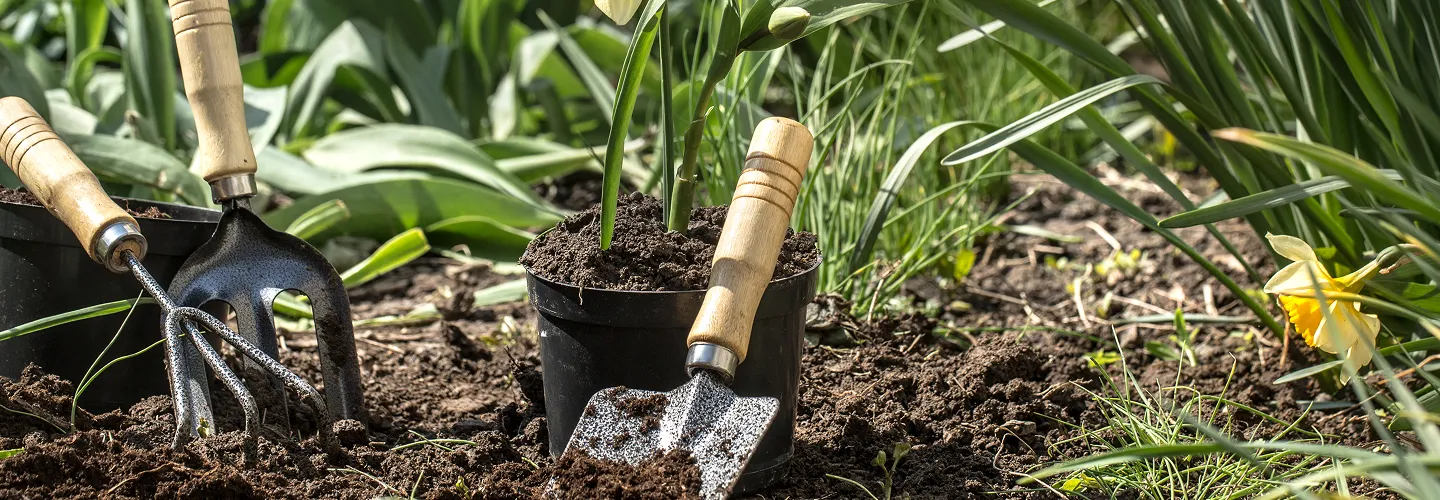
Island Walk Weeding Services
Choose our professional weeding services for a healthier, more beautiful landscape—our experienced team removes unwanted growth efficiently, ensuring your plants thrive and your outdoor space stays immaculate all season long.
Get a Free QuoteOur Island Walk Landscaping & Yard Care Services
When to Schedule Weeding in Island Walk, Florida – Seasonal Guide
In Island Walk, Florida, the timing of weeding services is crucial for maintaining healthy, attractive landscapes throughout the year. The region’s subtropical climate means that weeds can thrive nearly year-round, but the most effective weeding typically aligns with the area’s unique seasonal patterns. For example, early spring—just after the last frost date—marks an ideal window to address emerging weeds before they become established. Similarly, late summer and early fall are important periods to manage weed growth, especially as humidity and rainfall increase, creating favorable conditions for rapid spread.
Local environmental factors play a significant role in determining the best weeding schedule. Neighborhoods near the Island Walk Town Center or along Vanderbilt Beach Road often experience varying shade coverage and soil types, which can influence weed proliferation. Properties bordering the lakes or shaded by mature palms and oaks may require more frequent attention due to higher moisture retention and organic debris. Additionally, understanding municipal guidelines and seasonal drought risks—information available through resources like the Town of Sudbury’s environmental page—can help homeowners plan their landscape maintenance more effectively.
Local Factors to Consider for Weeding in Island Walk
- Tree density and shade coverage, especially in areas like the Island Walk Town Center
- Soil composition and drainage, which vary between lakeside and inland properties
- Seasonal precipitation patterns and humidity levels
- Proximity to water features, increasing moisture and weed pressure
- Municipal restrictions or recommended maintenance windows
- Drought risk and irrigation schedules
- Terrain and accessibility for service crews
Benefits of Weeding in Island Walk
Enhanced Curb Appeal
Healthier Plant Growth
Reduced Pest Infestation
Improved Soil Quality
Professional and Reliable Service
Time and Effort Savings
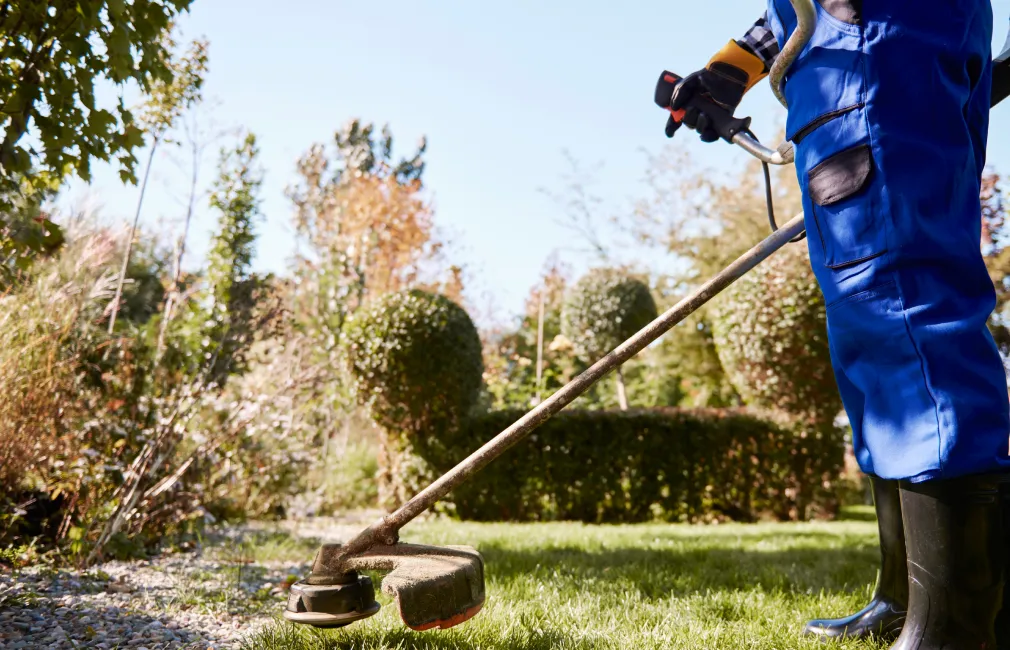
Island Walk Weeding Types

Hand Weeding
-
Mechanical Weeding
-
Mulching
-
Pre-Emergent Herbicide Application
-
Post-Emergent Herbicide Application
-
Flame Weeding
-
Soil Solarization
Our Weeding Process
Site Evaluation
Weed Identification
Manual Removal
Soil Cultivation
Preventative Measures
Why Choose Island Walk Landscape Services
-
Island Walk Homeowners Trust Us
-
Reliable Lawn Maintenance
-
Competitive Pricing
-
Professional Team
-
Satisfaction Guarantee
-
Personalized Service
-
Prompt Response Times
Coordinating Weeding Services with Collier County and Island Walk Community Standards
Island Walk is an unincorporated community within Collier County, meaning residents coordinate landscape maintenance—including weeding—through both county-level departments and the Island Walk community association. Collier County's environmental landscaping requirements address vegetation management in common areas, rights-of-way, and parcels adjacent to stormwater infrastructure. Property owners and managers should verify current landscape maintenance expectations through the community association before scheduling large-scale weeding operations, particularly in beds bordering shared lakes, retention areas, or preserve buffers.
- Confirm whether the Island Walk community association maintains specific weeding schedules or approved methods for common-area beds
- Coordinate disposal of pulled weed material through Collier County's vegetative waste collection procedures
- Avoid depositing weed debris into swales, canal edges, storm drains, or retention pond banks
- Review Collier County's environmental landscaping standards for guidance on vegetation removal near preserved native areas
Collier County Environmental Landscaping
Official Website: Collier County Environmental Landscaping
Island Walk Naples Community Association
Official Website: Island Walk Naples Community Association
How Island Walk's Subtropical Climate and Sandy Soils Accelerate Weed Growth
Island Walk sits within the South Florida subtropical zone, classified under USDA Hardiness Zone 10a, where year-round warmth and high humidity create conditions that sustain continuous weed germination. The wet season, typically running from late May through October, delivers heavy rainfall that triggers rapid weed flushes in landscape beds, along hardscape edges, and within turf-to-bed transition zones. Sandy, low-organic soils common in Collier County subdivisions drain quickly but leach nutrients, which can favor aggressive weed species over desired plantings.
- Summer temperatures regularly exceed 90°F, accelerating weed seed germination cycles and shortening the interval between flushes
- High water tables in many Island Walk areas keep root zones moist, supporting sedge and broadleaf weed establishment even during brief dry spells
- Sandy fill soils used during subdivision development often lack the organic matter needed to suppress weed competition naturally
- Reflected heat from driveways, walkways, and light-colored stucco intensifies bed-edge weed pressure along south- and west-facing exposures
Navigating Island Walk's Regulatory Framework for Herbicide Use and Runoff Prevention
Any chemical weed control applied on a commercial basis in Florida requires proper licensing through the Florida Department of Agriculture and Consumer Services (FDACS). Under Florida Statutes Chapter 487, commercial applicators must hold a valid pesticide applicator license and follow all label requirements, including buffer distances near water bodies. Island Walk's network of lakes, retention ponds, and stormwater conveyances makes runoff prevention a critical compliance concern. Collier County's pollution control division oversees stormwater quality, and herbicide drift or wash-off into these systems may trigger enforcement under the Florida DEP NPDES Stormwater Program.
- Verify that any contractor performing chemical weeding holds a current FDACS pesticide applicator license
- Do not apply granular or liquid herbicides within label-specified buffer zones of lakes, ponds, canals, or storm inlets
- Avoid herbicide application when rain is forecast within 24 hours to reduce the risk of product movement into stormwater infrastructure
- Hand-pulling or mechanical removal remains the safest method adjacent to water features and preserve edges
Collier County Pollution Control
Official Website: Collier County Pollution Control
Timing and Methods for Effective Weeding in Island Walk's Year-Round Growing Season
Because Island Walk experiences no true dormancy period, weeding must be treated as a continuous maintenance task rather than a seasonal event. The most effective approach combines pre-emergent applications timed before the major weed flushes with targeted hand removal and post-emergent spot treatments during active growth. UF/IFAS lawn and landscape guidance recommends integrated pest management (IPM) principles that prioritize cultural controls—such as proper mulch depth and irrigation management—before resorting to chemical intervention.
- Apply pre-emergent products in early February and again in early September to intercept the two primary warm-season weed germination windows
- Maintain mulch depth of two to three inches in landscape beds to suppress light-dependent weed seeds while preserving soil moisture
- Hand-pull weeds before they reach seed set to reduce the soil seed bank over successive seasons
- Direct post-emergent herbicides only to target weeds using shielded or directed spray techniques, especially near ornamental plantings and bed edges
- Schedule weeding passes within 48 to 72 hours after significant rainfall events, when soil is soft and root extraction is most complete
What Neighborhoods Do We Serve Throughout Island Walk, FL?
- Island Walk Town Center Area — Properties near the town center feature dense ornamental beds and hardscape borders that concentrate weed pressure along walkways and gathering spaces
- Lakeside Residences — Homes adjacent to Island Walk's interior lakes require careful weeding practices to prevent debris and herbicide runoff from reaching retention shorelines
- Preserve-Adjacent Lots — Properties bordering conservation or preserve buffers demand hand-removal methods and strict herbicide avoidance to protect native vegetation
- Garden Villa Sections — Smaller lot sizes with closely spaced landscape beds create overlapping irrigation zones that sustain persistent weed germination throughout the wet season
- Single-Family Home Streets — Larger front and side yards with St. Augustinegrass turf and ornamental bed borders require coordinated weeding along turf-to-bed transition zones to prevent encroachment in both directions