
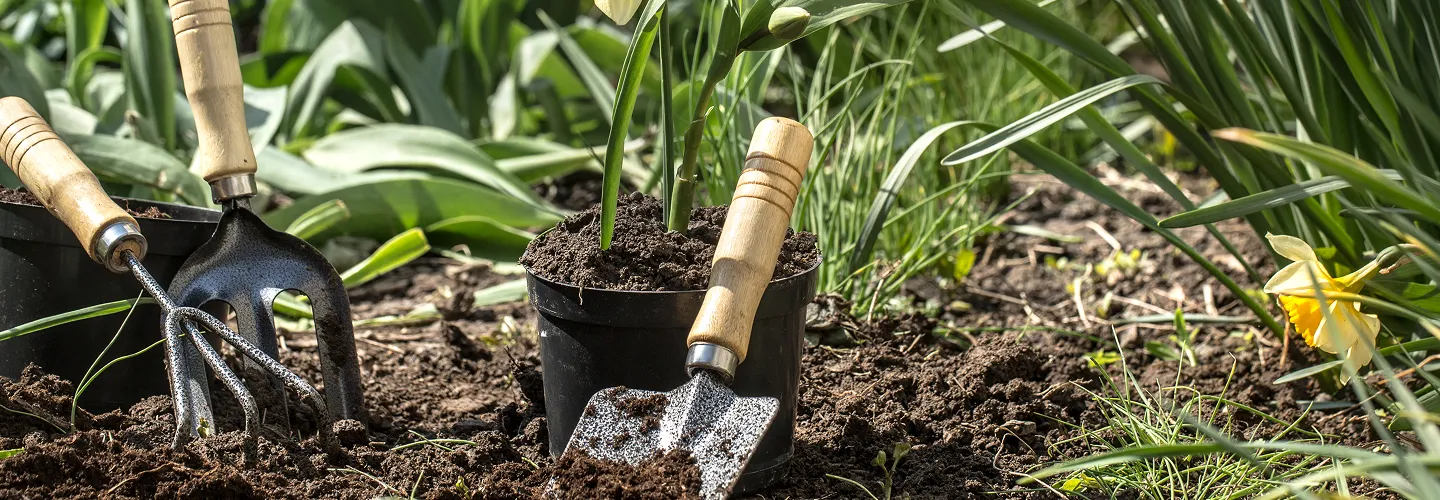
Island Walk Flower Planting Services
Choose our flower planting services for vibrant, expertly arranged blooms that enhance your curb appeal and thrive in our local climate—bringing lasting beauty to your outdoor spaces.
Get a Free QuoteOur Island Walk Landscaping & Yard Care Services
When to Schedule Flower Planting in Island Walk, Florida – Seasonal Guide
In Island Walk, Florida, the best times for flower planting are shaped by our unique subtropical climate and the specific conditions found in neighborhoods like Verona Walk and the areas surrounding Island Walk Town Center. Typically, the optimal planting windows are late fall through early spring, when temperatures are milder and the risk of extreme heat or drought is lower. This timing allows new plantings to establish strong root systems before the intense summer sun and humidity arrive.
Local environmental factors play a significant role in determining the success of your flower beds. For example, the proximity to water features like the Island Walk lakes can influence soil moisture, while the shade provided by mature palms and oaks in communities such as Saturnia Lakes affects sunlight exposure. It's also important to consider the region's last frost date, which usually falls in late January, and to be mindful of municipal guidelines and resources, such as those provided by the Town of Sudbury, for up-to-date planting recommendations and restrictions.
Local Factors to Consider for Flower Planting in Island Walk
- Tree density and shade coverage from established landscaping
- Soil composition and drainage, especially near lakes and canals
- Seasonal precipitation patterns and drought risk
- Humidity levels during late spring and summer
- Terrain variations between neighborhoods (e.g., elevation near Vanderbilt Beach Road)
- Municipal restrictions or HOA guidelines on planting times and species
Benefits of Flower Planting in Island Walk
Enhanced Curb Appeal
Expert Plant Selection
Seasonal Color Variety
Professional Installation
Low Maintenance Solutions
Eco-Friendly Landscaping
Island Walk Flower Planting Types

Annual Flower Beds
-
Perennial Plantings
-
Native Wildflower Gardens
-
Seasonal Color Rotations
-
Pollinator-Friendly Plantings
-
Drought-Tolerant Flower Beds
-
Shade Garden Installations
Our Flower Planting Process
Site Evaluation
Soil Preparation
Flower Selection
Planting
Watering and Mulching
Why Choose Island Walk Landscape Services
-
Island Walk Homeowners Trust Us
-
Reliable Lawn Maintenance
-
Competitive Pricing
-
Professional Team
-
Satisfaction Guarantee
-
Personalized Service
-
Prompt Response Times
Coordinating Flower Planting Projects with Collier County and Island Walk Oversight
Island Walk is an unincorporated community within Collier County, which means landscaping oversight falls under county-level departments rather than a standalone municipal government. Residents and property managers planning flower planting projects should coordinate with the Collier County Environmental Landscaping division, which administers landscape-related requirements including native vegetation standards, plant material specifications, and site compatibility guidelines. Because Island Walk operates under a community association, any exterior planting modifications—including flower bed additions or species changes—may also require association review before work begins.
- Confirm with the Island Walk community association whether proposed flower species, bed locations, or color palettes require architectural review or board approval
- Verify that planting near community lakes, retention ponds, or preserve buffers complies with Collier County environmental landscaping standards
- Coordinate irrigation tie-ins with the community's existing system to avoid disruption to shared infrastructure
Collier County Environmental Landscaping
Official Website: Collier County Environmental Landscaping
Island Walk Naples Community Association
Official Website: Island Walk Naples Community Association
How Island Walk's Gulf Coast Climate and Soils Shape Flower Planting Success
Island Walk sits within the Gulf Coast Florida context in USDA Hardiness Zone 10a, where subtropical conditions define the planting calendar. The community's soils are predominantly sandy and fill-based, characteristic of planned subdivisions built on graded land in the greater Naples area. These soils drain rapidly, which accelerates nutrient leaching and demands careful amendment before flower installation. The USDA Plant Hardiness Zone Map confirms that Island Walk's minimum winter temperatures rarely drop below 30°F, expanding the range of tropical and subtropical flowering species that can be planted year-round.
- High summer heat and humidity create stress on cool-season annuals and promote fungal pressure on susceptible species such as impatiens; heat-tolerant selections like pentas, lantana, and bulbine perform more reliably
- Sandy, fast-draining soils require organic amendment at planting to improve moisture retention and root establishment, as nutrients wash through the root zone quickly during the wet season
- Wet-season rainfall from June through October delivers heavy, concentrated downpours that can erode unprotected flower beds and carry loose soil or fertilizer into nearby retention ponds and swales
- High water table conditions in low-lying areas of the community may limit root depth for certain species and require raised bed construction or careful site selection
Navigating Collier County's Landscaping and Environmental Regulations for Flower Planting
Collier County's Land Development Code includes provisions for landscaping that affect flower planting in planned communities like Island Walk. The county's environmental landscaping requirements encourage the use of drought-tolerant and Florida-Friendly plant material, and properties adjacent to preserve areas or wetland buffers may face additional restrictions on species selection and planting proximity. Fertilizer application associated with flower bed preparation and maintenance falls under Florida Statutes §403.9337, which provides the framework for Florida-Friendly fertilizer use on urban landscapes. Collier County enforces a seasonal fertilizer blackout period during the summer rainy season; residents should verify current dates through the county before applying granular fertilizer to new flower beds.
- Any pesticide or herbicide application in flower beds by a commercial operator requires proper licensing through the FDACS Pesticide Applicator Certification program
- Runoff from flower bed irrigation and soil amendments must not discharge into community lakes, retention ponds, or stormwater conveyances, consistent with the Florida DEP NPDES Stormwater Program
- Planting within county rights-of-way, utility easements, or drainage easements may require separate review through Collier County Planning and Zoning Resources
Collier County Pollution Control
Official Website: Collier County Pollution Control
Timing Flower Planting Around Island Walk's Wet Season and Subtropical Heat Cycles
Professional flower planting in Island Walk follows a seasonal rhythm dictated by the Gulf Coast's pronounced wet and dry seasons. The optimal primary planting window for warm-season annuals and perennials runs from mid-October through early May, when rainfall is moderate, temperatures are mild, and new root systems can establish without the stress of daily summer downpours. A secondary planting window exists in early June for heat-tolerant species that benefit from consistent wet-season moisture, provided beds are properly mulched and graded to prevent washout.
- Prepare planting beds by incorporating two to three inches of composted organic matter into the top six to eight inches of sandy soil to improve water-holding capacity and nutrient retention
- Install a two- to three-inch layer of mulch around new plantings to moderate soil temperature, suppress weeds, and reduce irrigation frequency, keeping mulch pulled back from plant stems to prevent crown rot
- Schedule irrigation for early morning hours to reduce evaporation loss and minimize prolonged leaf wetness that promotes fungal disease in humid conditions
- Select species based on sun exposure: full-sun beds in Island Walk perform well with pentas, blanket flower, and firebush, while shaded areas beneath mature oaks or palms suit crossandra and caladiums
- Coordinate planting with EPA WaterSense outdoor irrigation guidance to ensure efficient water use during establishment without contributing to stormwater runoff
What Neighborhoods Do We Serve Throughout Island Walk, FL?
- Island Walk Town Center Area — Properties near the community clubhouse and town center feature established landscape beds with mature canopy trees, requiring shade-tolerant flower species and careful irrigation coordination with existing systems
- Lakefront Villas — Homes along Island Walk's interior lakes demand flower planting that accounts for high water table proximity, retention pond buffer requirements, and runoff sensitivity
- Courtyard Homes Section — Compact lot sizes and shared courtyard spaces in this area require precise bed placement and species selection that complements neighboring plantings without encroaching on common areas
- Preserve-Adjacent Residences — Properties bordering natural preserve buffers must use native or Florida-Friendly flowering species and avoid invasive ornamentals that could spread into protected habitat areas
- Single-Family Home Streets — Larger lots along interior streets offer more flexibility for flower bed design, though sandy fill soils and full sun exposure require heat-tolerant selections and thorough soil amendment before planting