
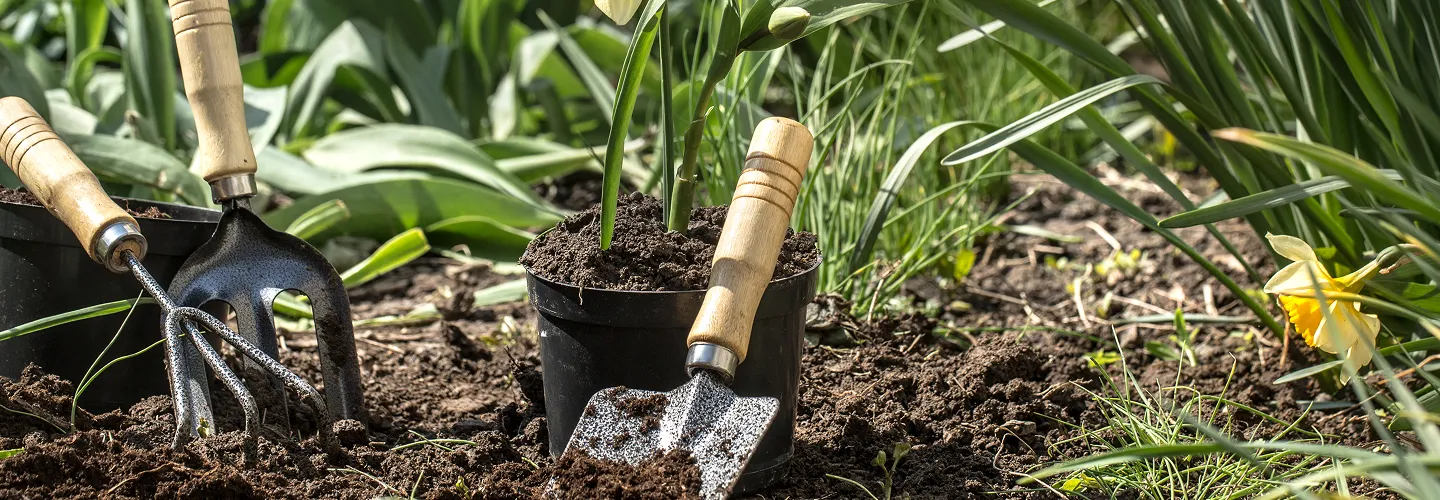
Island Walk Flower Bed Maintenance Services
Choose our Flower Bed Maintenance for expert care, vibrant blooms, and a weed-free landscape—so you can enjoy a beautiful, thriving garden without the hassle.
Get a Free QuoteOur Island Walk Landscaping & Yard Care Services
When to Schedule Flower Bed Maintenance in Island Walk, Florida – Seasonal Guide
In Island Walk, Florida, the timing of flower bed maintenance is closely tied to our unique subtropical climate and the specific needs of local landscapes. With mild winters and hot, humid summers, the optimal periods for planting, pruning, and mulching typically fall in early spring and late fall. These windows allow plants to establish roots before the intense summer heat or recover after the rainy season. Neighborhoods near the Island Walk Town Center and along Vanderbilt Beach Road often experience microclimates due to varying shade coverage and proximity to water features, which can influence the best maintenance schedule for each property.
Local environmental factors such as the last frost date (usually in late January), periods of high humidity, and the risk of summer droughts all play a role in determining when to refresh mulch, fertilize, or install new plantings. Soil composition in Island Walk tends to be sandy with moderate organic content, requiring regular amendments to support healthy flower beds. For more information on local climate and gardening resources, visit the Sudbury municipal site.
Local Factors to Consider for Flower Bed Maintenance in Island Walk
- Tree density and shade coverage, especially in areas near the Island Walk Clubhouse
- Soil type and drainage, which can vary between neighborhoods
- Seasonal precipitation patterns and risk of summer drought
- Municipal restrictions on watering or fertilizer use
- Proximity to lakes or canals, which may affect humidity and pest pressure
- Terrain and elevation, impacting runoff and soil erosion
Benefits of Flower Bed Maintenance in Island Walk
Enhanced Curb Appeal
Weed and Pest Prevention
Healthier Plant Growth
Seasonal Color Variety
Professional Landscaping Expertise
Time and Effort Savings
Island Walk Flower Bed Maintenance Types

Seasonal Mulching
-
Weed Control
-
Soil Amendment
-
Pruning and Trimming
-
Fertilization
-
Plant Health Monitoring
-
Edging and Border Maintenance
Our Flower Bed Maintenance Process
Site Evaluation
Weed Removal
Soil Cultivation
Mulching
Plant Health Inspection
Why Choose Island Walk Landscape Services
-
Island Walk Homeowners Trust Us
-
Reliable Lawn Maintenance
-
Competitive Pricing
-
Professional Team
-
Satisfaction Guarantee
-
Personalized Service
-
Prompt Response Times
Coordinating Flower Bed Maintenance with Collier County Environmental Landscaping Programs
Island Walk is an unincorporated community within Collier County, situated in the North Naples area of Southwest Florida. Flower bed maintenance on residential and common-area properties falls under the oversight of both the community association and Collier County's land development framework. Collier County's Environmental Landscaping division administers requirements related to native vegetation preservation, approved plant palettes, and landscape buffer standards that directly affect how flower beds are designed and maintained within planned developments like Island Walk. Residents and property managers should verify current landscaping guidelines with the community association before undertaking significant bed modifications, including plant replacements or irrigation changes.
- Confirm approved plant species and mulch types with the Island Walk community association before seasonal replanting
- Coordinate vegetative debris removal with Collier County's collection schedule to avoid placing organic waste near swales or storm inlets
- Review any landscape buffer or setback requirements through Collier County's land development resources before expanding or relocating flower beds
Collier County Environmental Landscaping
Official Website: Collier County Environmental Landscaping
Island Walk Naples Community Association
Official Website: Island Walk Naples Community Association
How Island Walk's Subtropical Climate and Sandy Soils Shape Flower Bed Health
Island Walk sits within USDA Hardiness Zone 10a, characteristic of Southwest Florida's Gulf Coast subtropical environment. This classification, verifiable through the USDA Plant Hardiness Zone Map, means flower beds experience minimal freeze risk but endure prolonged summer heat, high humidity, and intense wet-season rainfall from June through October. These conditions directly influence plant selection, irrigation scheduling, and pest management in ornamental beds.
- Sandy, low-retention soils: The predominant sandy soils in North Naples drain rapidly, causing nutrients and moisture to leach below the root zone quickly, which demands frequent but measured irrigation and slow-release fertilization strategies
- High water table: Seasonal water table elevation during the wet season can saturate root zones in low-lying bed areas, increasing the risk of root rot in species not adapted to periodic inundation
- Humidity-driven fungal pressure: Persistent humidity promotes fungal diseases such as leaf spot and powdery mildew on ornamental plantings, requiring attentive deadheading and air circulation management
- Intense solar exposure: Reflected heat from driveways, walkways, and light-colored stucco amplifies heat stress on bedding plants positioned along south- and west-facing foundations
Guidance from UF/IFAS Gardening Solutions emphasizes selecting drought-tolerant, Florida-Friendly species to reduce irrigation demand and protect local water resources.
Navigating Collier County's Regulations for Flower Bed Chemical Applications and Runoff
Flower bed maintenance in Island Walk requires awareness of several regulatory layers that govern chemical applications, water use, and stormwater protection. Collier County enforces fertilizer application restrictions aligned with Florida Statutes §403.9337, which establishes the model ordinance for Florida-Friendly fertilizer use on urban landscapes. Residents and contractors should verify the county's specific blackout periods and application rate limits before fertilizing ornamental beds.
- Any person applying pesticides commercially to flower beds must hold valid certification through the FDACS Pesticide Applicator Licensing program, as required under Florida law
- Runoff from flower beds adjacent to retention ponds, lakes, and stormwater conveyances must be managed to prevent nutrient loading, consistent with the Florida DEP NPDES Stormwater Program
- Irrigation of flower beds is subject to water management district restrictions; watering schedules may vary by drought stage and utility provider, so property managers should confirm current allowances rather than assuming a fixed schedule
- Organic mulch and soil amendments must not be placed where they can wash into swales, curb inlets, or canal edges during heavy rainfall events
Collier County Pollution Control
Official Website: Collier County Pollution Control
Timing Flower Bed Maintenance Around Island Walk's Wet Season and Heat Cycles
Professional flower bed maintenance in Island Walk follows seasonal rhythms dictated by Southwest Florida's climate. Scheduling tasks around the wet season, dry season, and peak heat periods ensures plant health and reduces resource waste.
- Seasonal replanting: The optimal windows for installing warm-season annuals such as pentas, lantana, and vinca fall in early spring (March–April) and early fall (October–November), avoiding the most intense summer heat and the heaviest wet-season downpours
- Mulch replenishment: Mulch depth should be maintained at approximately two to three inches to suppress weeds and moderate soil temperature; replenishment is typically needed twice per year, ideally before the wet season begins and again in late fall
- Deadheading and cleanup: Removing spent blooms and decaying foliage on a regular cycle—generally every two to four weeks during the growing season—reduces fungal habitat and encourages continued flowering
- Irrigation emitter checks: Drip emitters and micro-sprayers serving flower beds should be inspected monthly during the wet season, as clogging from algae or sediment is common in high-humidity conditions; EPA WaterSense provides additional guidance on efficient outdoor irrigation practices
- Weed suppression: Pre-emergent applications in beds are most effective when timed before the spring weed flush, typically in late February through early March, and again before fall germination cycles
Soil amendments and slow-release fertilizers should be applied only after confirming compliance with Collier County's fertilizer ordinance provisions.
What Neighborhoods Do We Serve Throughout Island Walk, FL?
- Island Walk Town Center area: Properties near the community's central amenities often feature foundation beds with high foot traffic and reflected heat from adjacent hardscape, requiring heat-tolerant species and frequent mulch maintenance
- Lakefront homesites along Island Walk's interior lakes: Flower beds on these lots sit close to retention water features, demanding careful runoff management and species that tolerate periodic moisture fluctuation from elevated water tables
- Villa sections within Island Walk: Smaller lot sizes in villa clusters concentrate flower beds in compact foundation and entry areas where irrigation emitter spacing and weed pressure require close attention
- Single-family estate lots along Island Walk Boulevard: Larger properties with mature canopy trees create variable shade conditions across flower beds, necessitating species selection that accounts for shifting light exposure throughout the day
- Preserve-adjacent homesites: Lots bordering conservation buffers must maintain flower beds without introducing invasive ornamental species or allowing fertilizer and mulch to migrate into protected natural areas